Student Affairs

Year in Review – Professional/Memorable Moments of 2013-2014

Academic year 2013-2014 was a year filled with accomplishments and memorable events that impacted me professionally and personally. It was a year of connecting and working with new students, UCSB colleagues, as well as professionals from all over the country I met via social media. It was a year I committed myself to learning as much as possible about student affairs, IT, and higher education through books and my personal learning networks. Below are some highlights as well as memorable moments that impacted me personally and professionally.

Student Information Systems & Technology (SIS&T):

Our student affairs division and my department started working on several major projects this year as part of a comprehensive suite of technology initiatives we will be working on for the next few years. Amongst those projects I directed/managed include:

  • Student Financial Systems Project – a redesign/migration of our existing undergraduate/graduate financial aid and scholarships system.
  • Adoption/implementation of communication/collaboration applications:
        • Emma (mass e-mailing solution)
        • BaseCamp (project management)
        • Google Analytics
        • Sitefinity (web content management system)
        • Sharepoint
        • Intelliresponse (knowledge base system)
        • Policy & Procedure Management (PPM) – document workflow approval system
  • Communication Collaborative (CommCollab) – a divisional communication initiative aimed to advance the mission of our division using the network of staff from within our division using the tools mentioned above.
  • Cloud Services Usage Guidelines
  • Data Retention/Destruction Guidelines

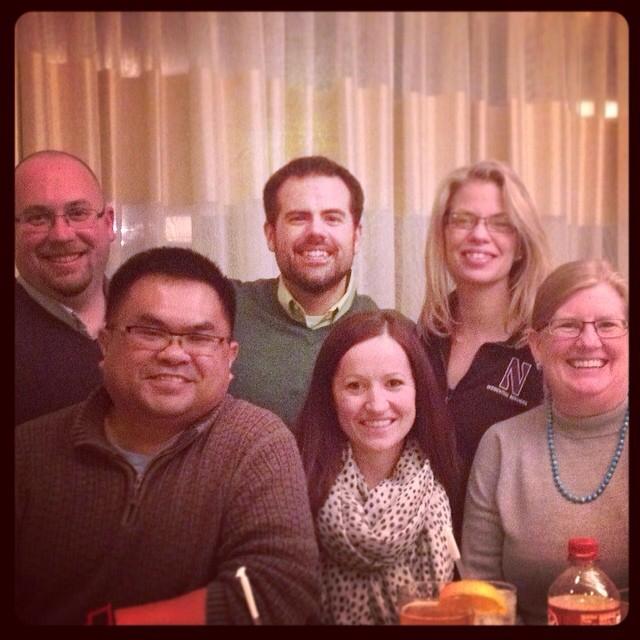
We are indeed busy with projects, but our department likes to have fun as well. Our department retreat last December was one of the most fun events I’ve had with my colleagues. Check out this youtube video of our team having fun – http://www.youtube.com/watch?v=AU_P6a3nKp0.
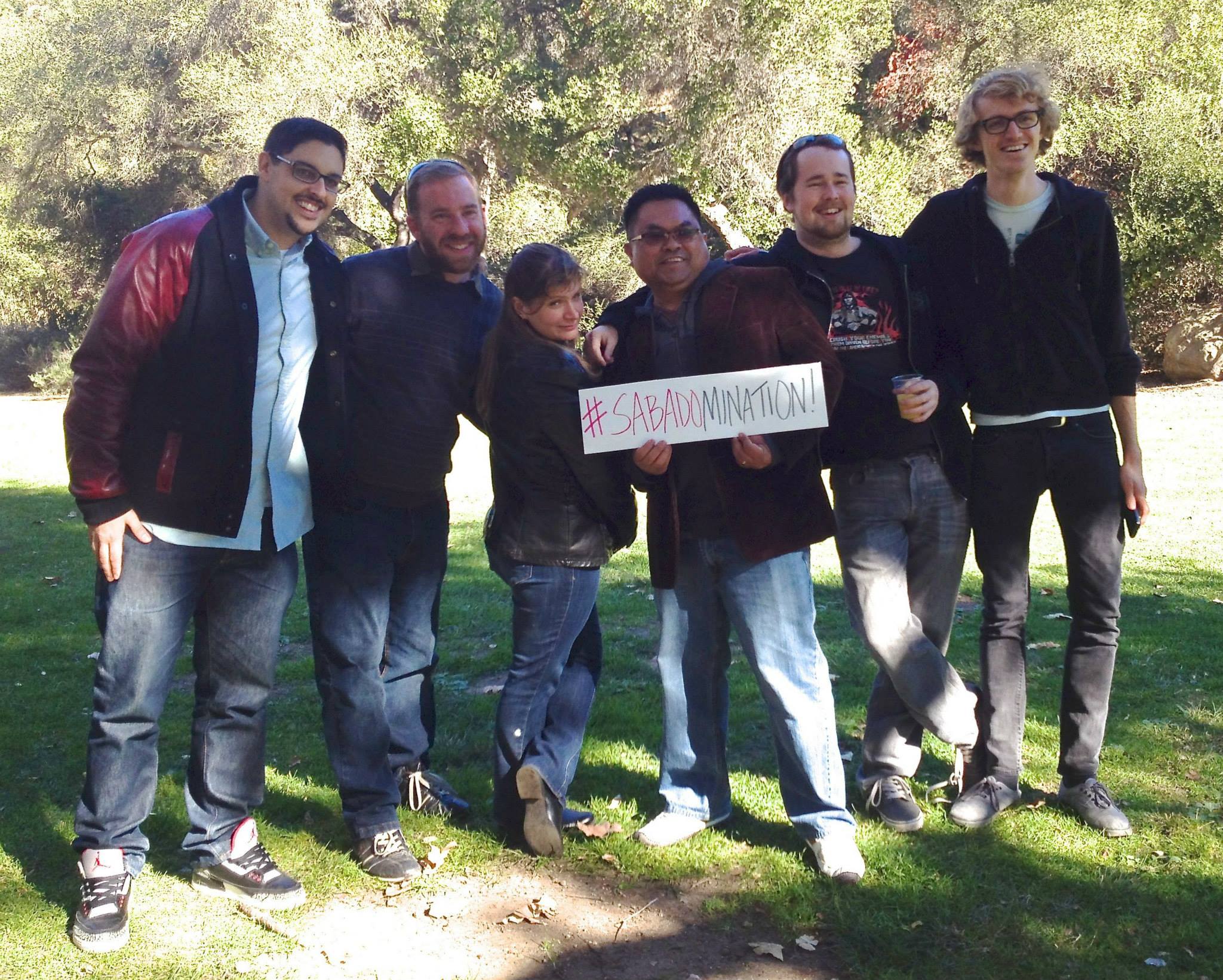
sist_sabadomination

UCSB STEP Program (August 2013)

I was a Transitions course facilitator for this one-week summer bridge program for under-represented and first generation students.  Just like the previous three years, it was a very enjoyable and satisfying experience, personally and professionally. This one week in August is my probably my favorite week of the year because I get to meet new students. These are students who are eager to learn and who are in a major transition in their lives. It’s amazing to watch the transformation that happens in a week. Personally, my interactions with the students are reminders of why I work in student affairs.
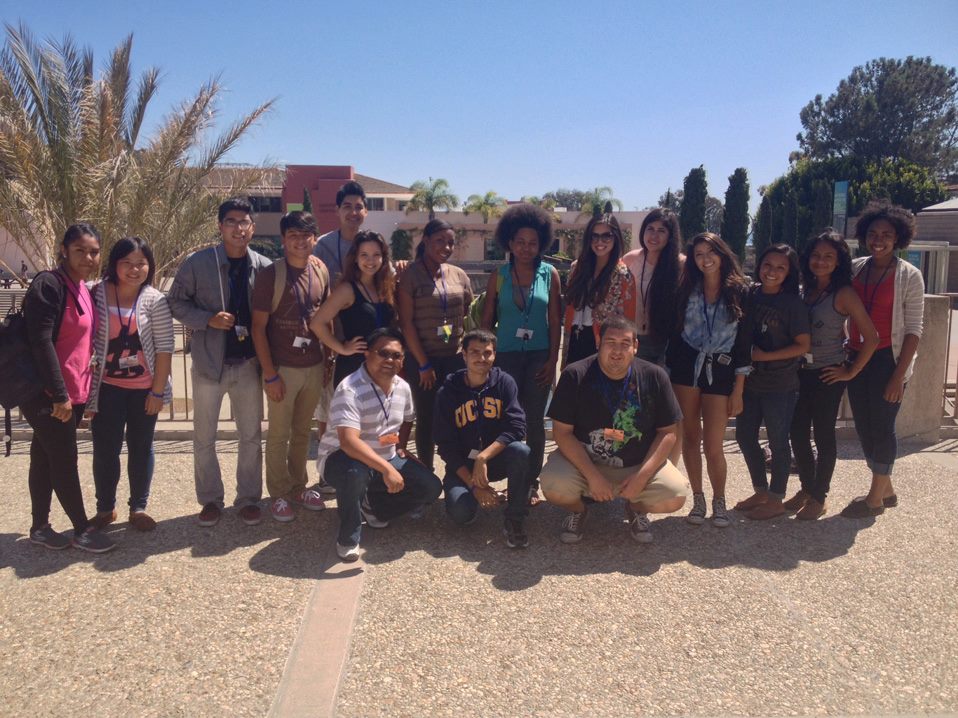
step_program

Foundations – New Student Affairs Professional Development Program (October 2013 – June 2014)


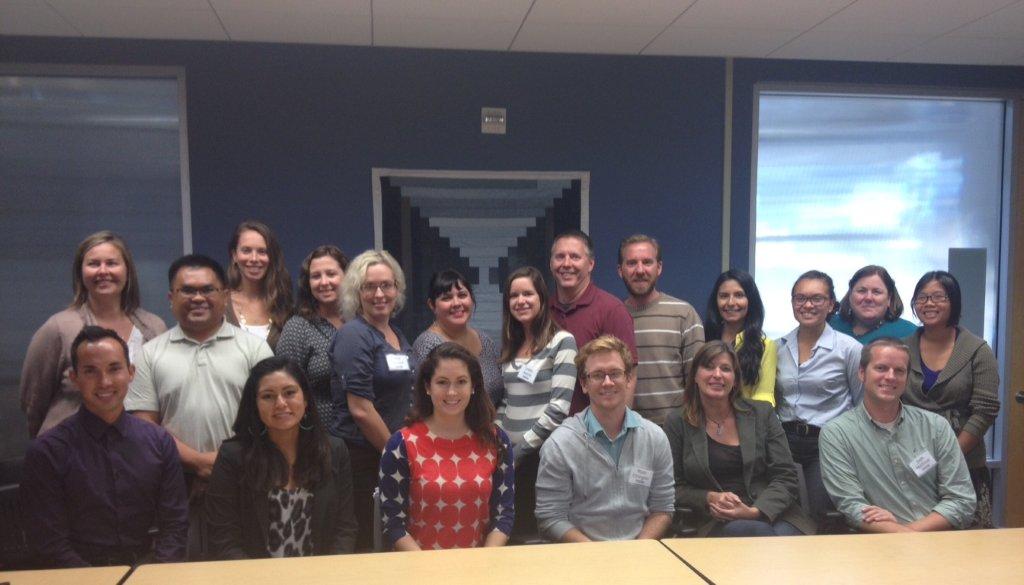
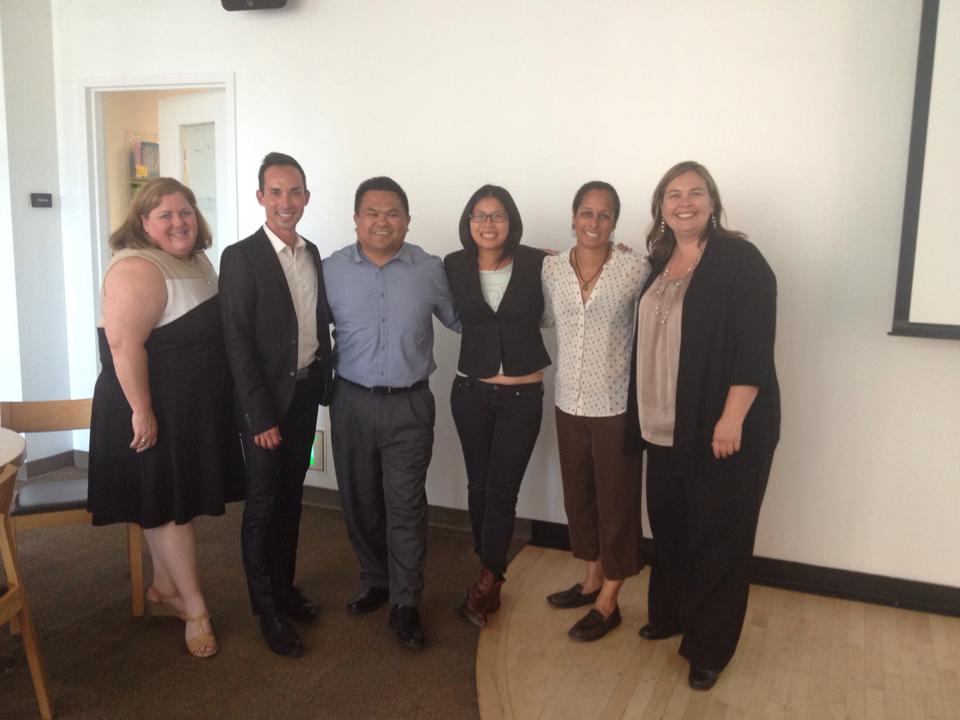
Foundations is a cohort-based program professional development program for new student affairs professionals at UCSB. It’s a new program intended to introduce new staff about theories and issues applicable to their roles. The program started with a three half-day “New Professional Institute” in October to introduce the participants to professional competencies, student affair structures, and overview of topics to be discussed during the year. Each month, we had a session devoted to topics including work/life balance, workplace communication, creating change, technology, shared governance/student leadership, and budget/salaries. After each session, a survey was conducted to assess the effectiveness of  the event. I was fortunate enough to have been one of the program’s coordinators. I enjoyed working with the coordinating team and our cohort members.
foundation_coordinators
cohort_and_coords

Gaucho U Learning and Leadership Program (October 2013 – May 2014)

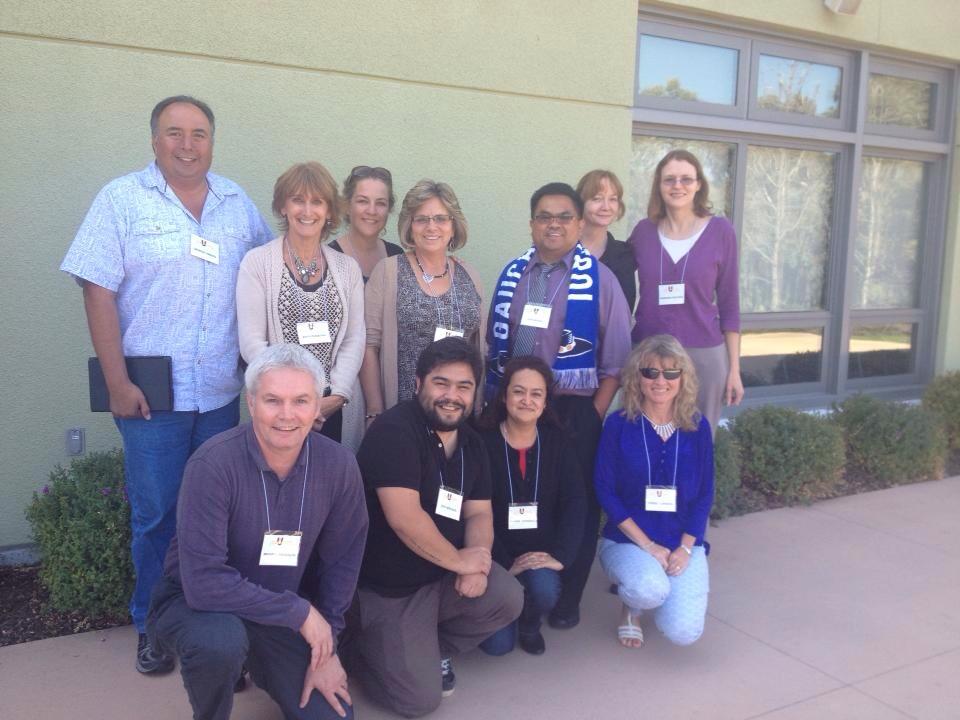
I was a mentor for a team of 12 staff (cohort G) for this university-wide professional development program. It’s a cohort-based training and development program founded on the UC Core Competency Model. I was a participant two years ago and that experience provided me with some perspective on how to serve as a mentor effectively. Our project was to implement a prototype of a mobile version of our campus homepage. Part of the effort included research by the members on what other UC campuses have already in place, as well as soliciting feedback from our campus via a survey of mobile use and preferences. From what I know, this is the first campus-wide survey regarding mobile usage that’s ever been done at UCSB. What I loved about this program was the opportunity to work and mentor staff from other parts of the campus I would never have had the chance to interact with if it was not for this program. The best part of the experience for me is watching the members develop as leaders. There was one staff in particular who was very shy at the beginning of the program but I had the hunch she could serve as an effective leader for our group, based on the initial interactions I had with her. I selected her as one of the team leaders and it was amazing watching her come out of her shell and show her leadership skills.
gauchou_cohort_g

NASPA Undergraduate Fellowship Program (NUFP) (October 2013 – June 2014)

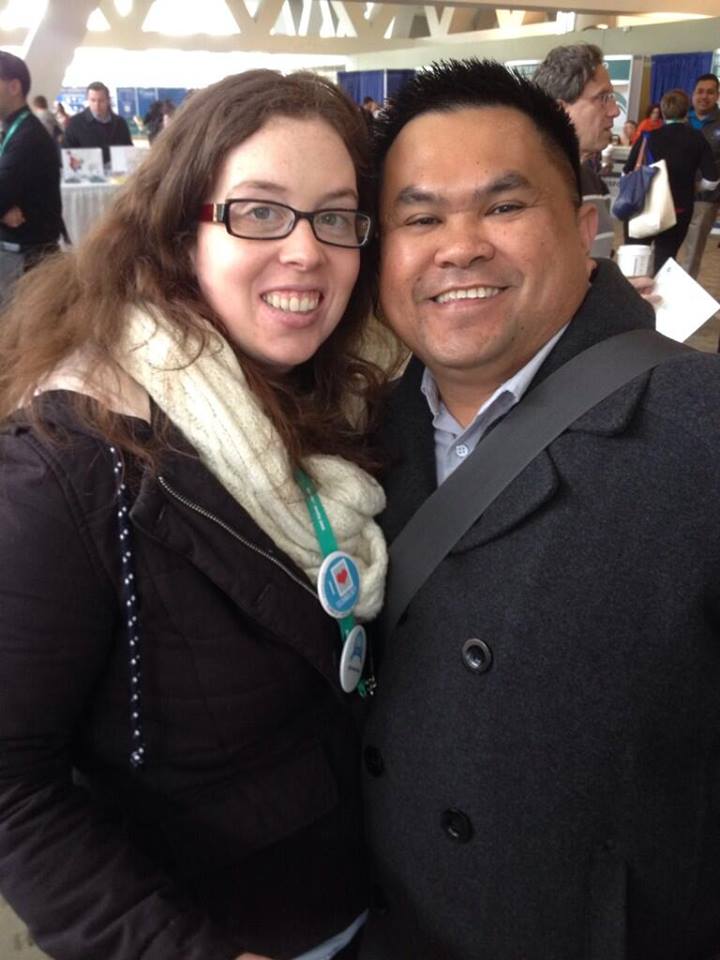
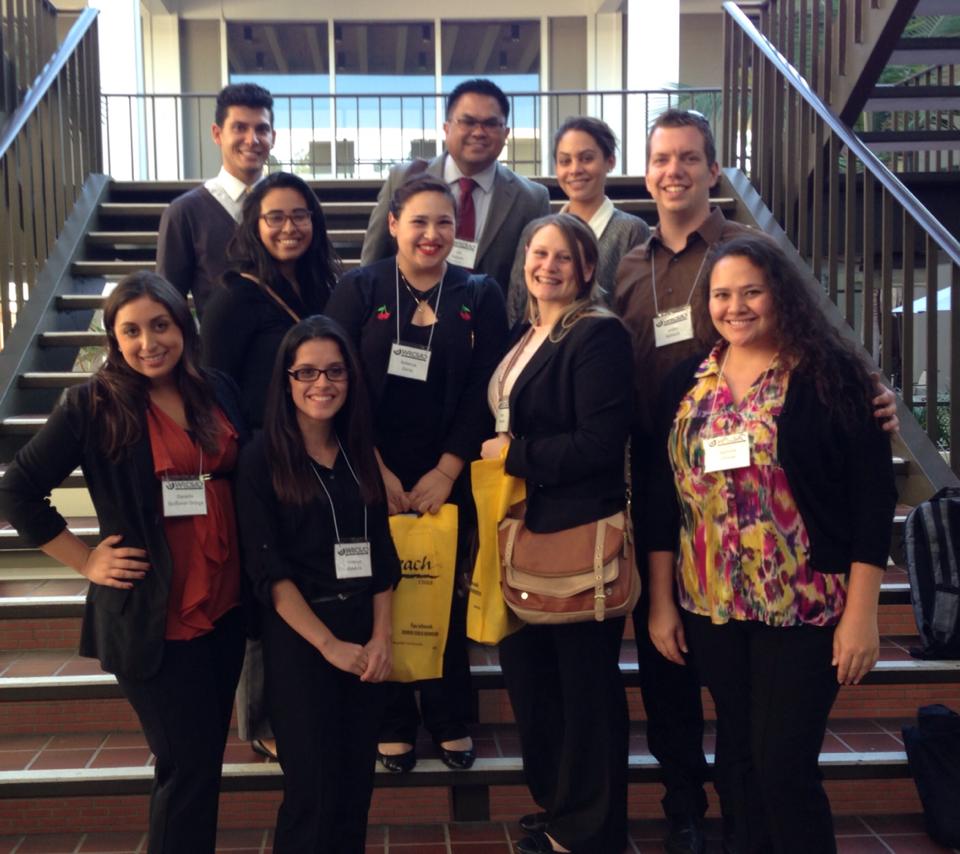
NUFP is a program designed to provide mentorship to underrepresented students interested in pursuing careers in higher education and student affairs. Students are provided with opportunities to learn more about student affairs via activities and discussions, including a trip to the NASPA national conference. I was a mentor this year and it was an amazing experience working with the highly motivated, smart, and very involved students. Some of the highlights include a trip to the Western Regional Careers in Student Affairs Day in November at CSU Long Beach. It is during this trip that I had the opportunity to interact with some of our NUFP fellows and talk about their interests and issues. It was also during this conference where I met a few student affairs colleagues I met through social media for the first time face-to-face.
nufp_westernwestern_regional_sa

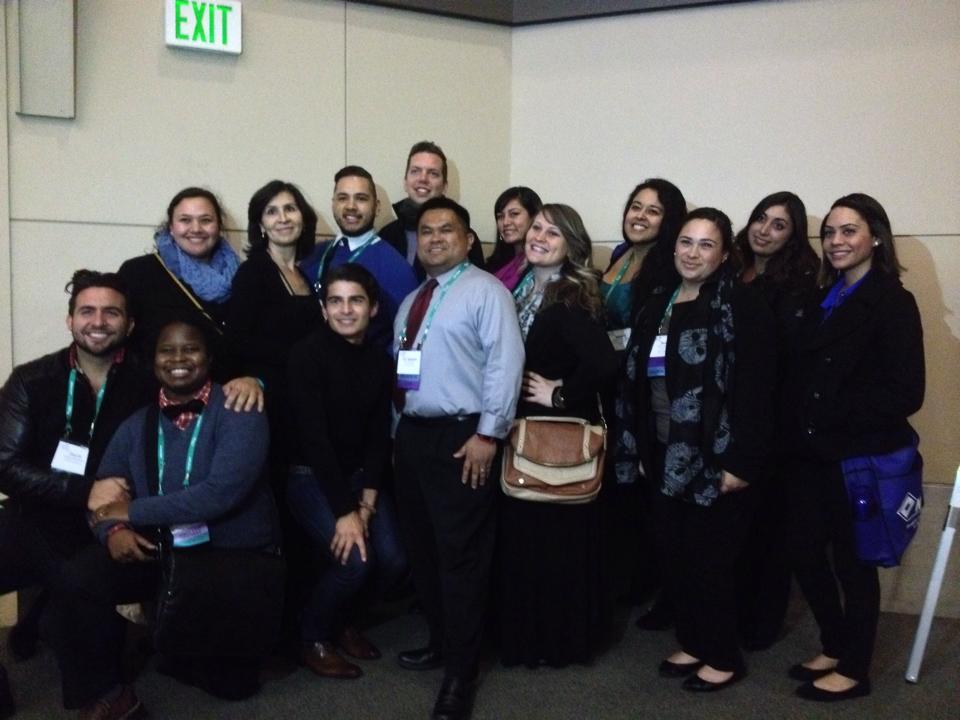
The trip to the NASPA national conference in Baltimore last March was a fun experience for the mentors and our fellows. The trip provided our team to get to know more about each other. It was an educational experience for all of us, learning more about issues/trends in student affairs and networking with other graduate students and professionals outside our campus.
naspa_nufp

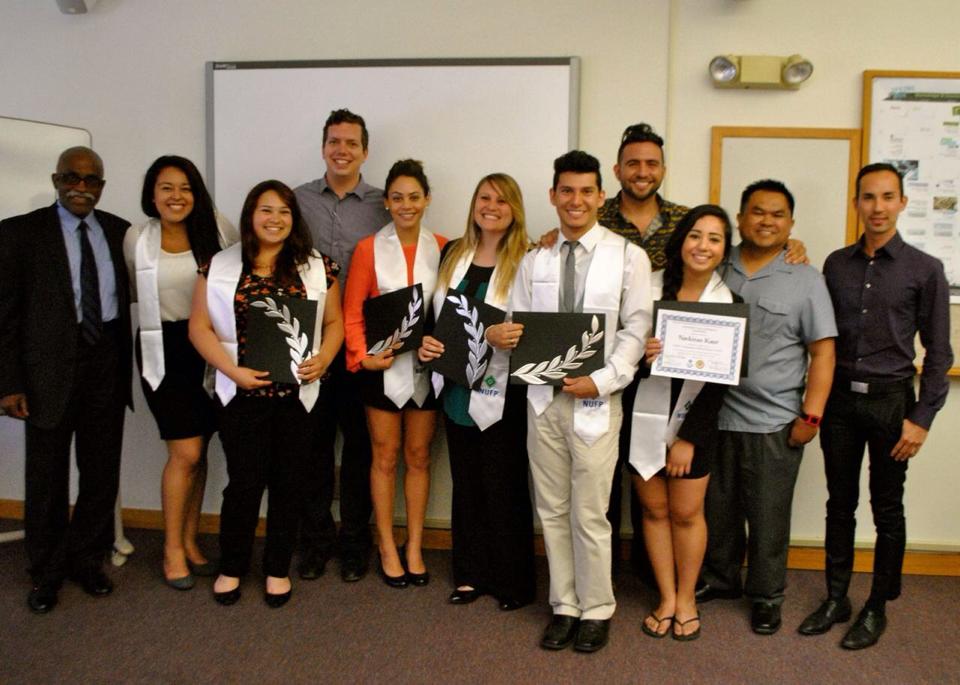
The year ended with the fellows presenting their research topics to the campus. The topics included the use of resource center towards student success, multiracial identities, and LGBTQIA. The event was attended by our Vice Chancellor for Student Affairs, other senior student affairs officers, staff, and students. Watching the fellows present, including my mentee, Navkira (Navi) Kaur, was a moment of pride and joy.
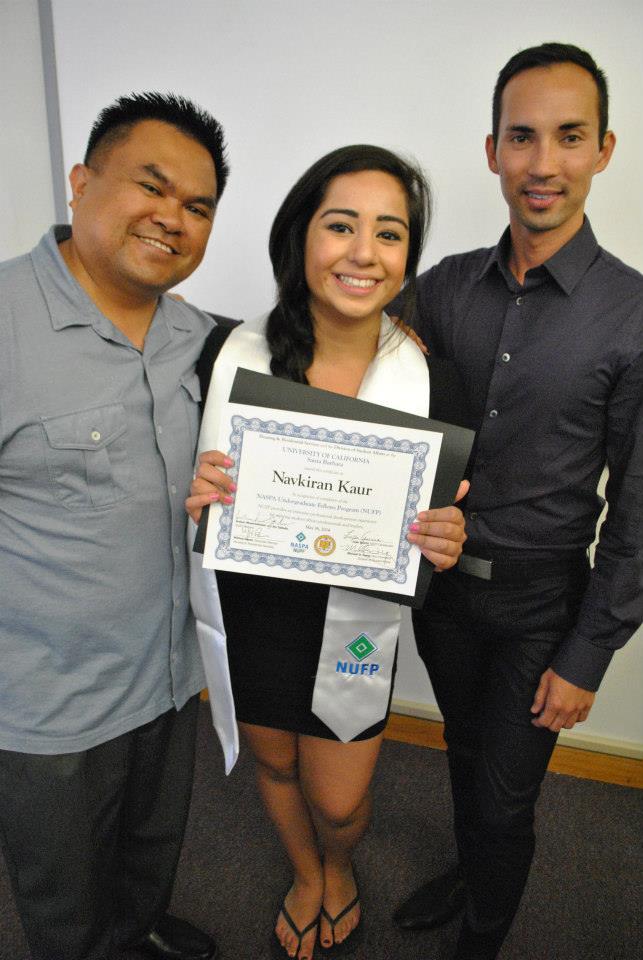
nufp_navinufp_group

External Review of Texas A&M University (TAMU) Student Affairs IT Department (September 2013 – December 2013)

I had the honor and privilege of leading an external review team to examine the IT department as part of TAMU Division of Student Affairs’ assessment efforts. I consider it a privilege because I was recommended by their IT Director for my online reputation as one who is experienced in student affairs technology. I learned a lot from this experience. For one, I was able to get a glimpse of another student affairs IT department and compare it with my own IT department. In addition, I read many IT and technology-related books, including ITIL framework, governance, and funding models. It was one of the most intense project I’ve experienced professionally. As the team leader, I had to quickly develop rapport with the other members (TAMU staff) virtually (web conference calls), and plan the three day on-site visit. As soon as I arrived on the campus and got my luggage in my room, the work immediately started with a meeting with some of their student affairs senior leadership to outline the expectations during the visit. For the next three days, it was back-to-back meetings all day, interviewing different constituencies including the IT group, the divisional customers, and the division’s senior student affairs officers (Vice Presidents). The days ended with a team meeting in the evening to review our notes. The on-site visit ended with a presentation of our findings to the directors and IT staff. My work was not done after the visit as I still had to produce a report of our findings and recommendations, with input from the other team members. In the end, it was one of the most satisfying experiences of my career. What I remember from this experience are the friendly TAMU staff and the very polite student leaders. The student representative on our team was the student body Vice-President and he wore his cadet uniform the whole time I was there. He was very formal and very respectful, addressing me and other staff with “yes, sir/yes, ma’am.” He had very thoughtful input and added a very important perspective to the process.
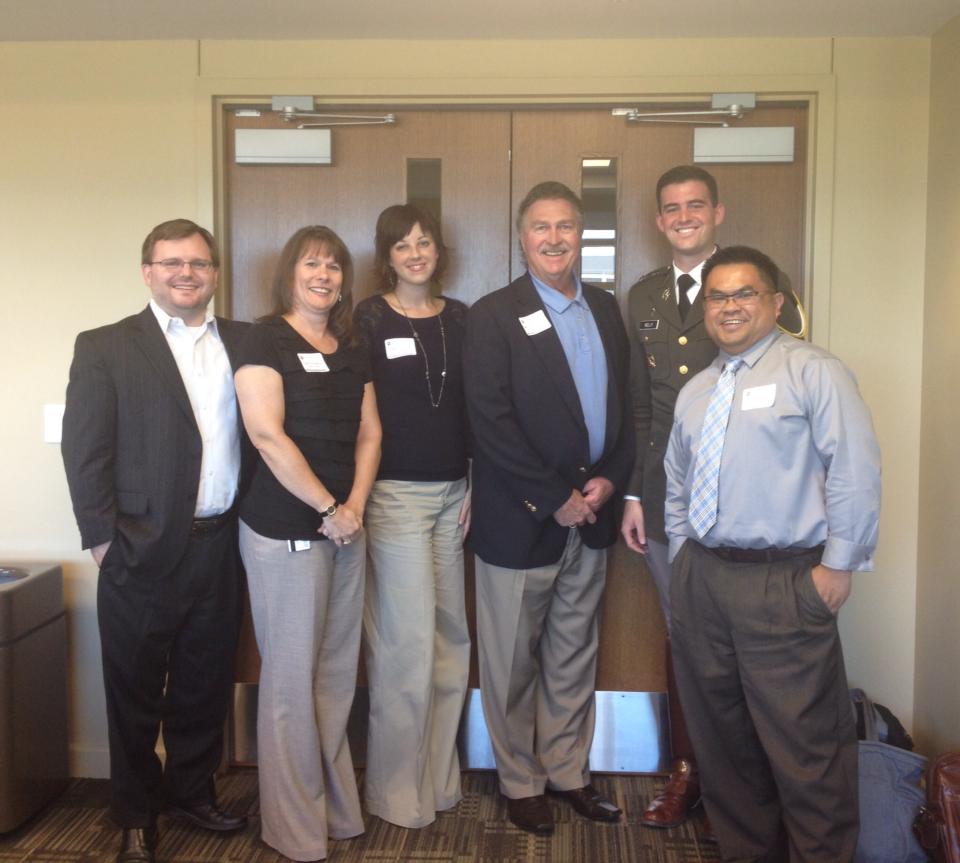
tamu

NASPA (National Association of Student Personnel Administrators) – (October 2013 – June 2014)

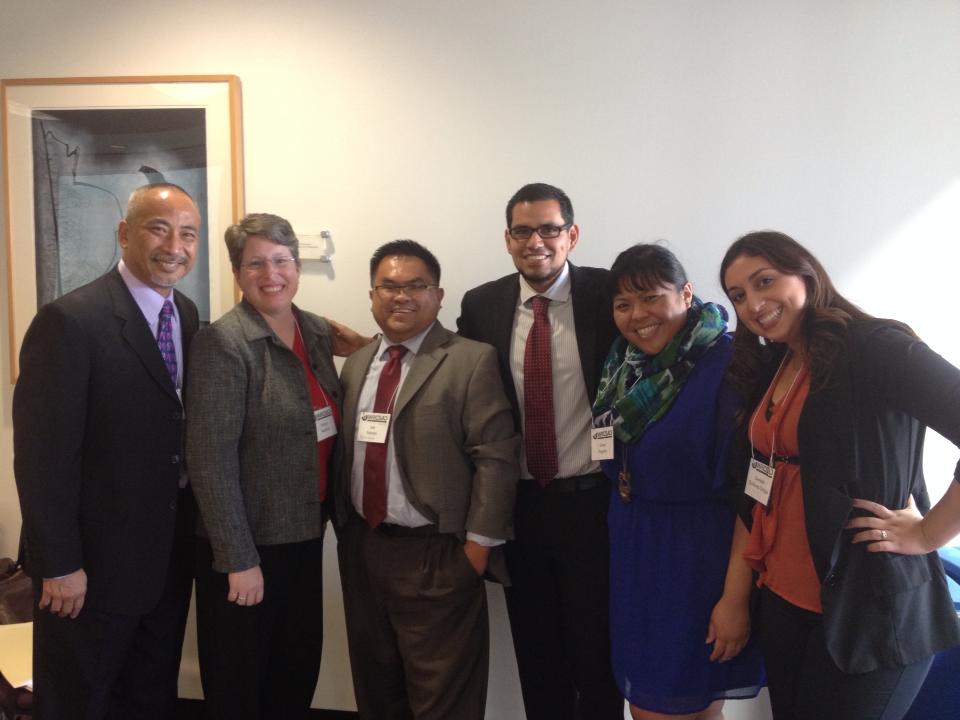
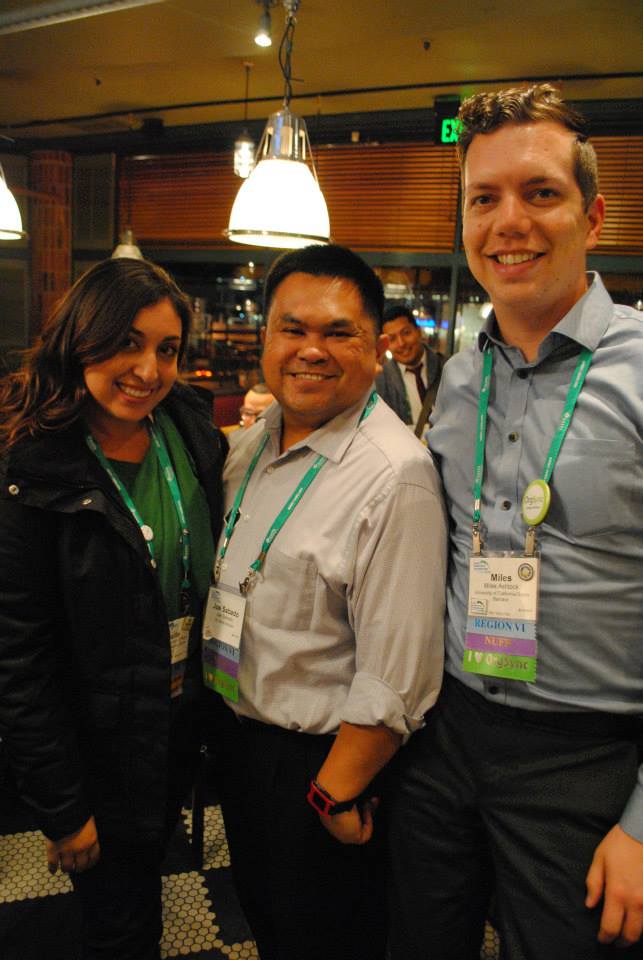
NASPA is one of the two major student affairs professionals organization. I became more involved with NASPA this year through NUFP as well as through their technology initiatives. I attended the national conference for the first time and I was very impressed with the programming and the size of attendance. I was honored to be asked to participate in a two-day technology summit in Washington, DC to talk about issues and trends related to student affair technology. The group represented different constituencies in higher education and student affairs. One of the many highlights of the tech summit was meeting other colleagues I met via twitter for the first time face-to-face. While we’ve only interacted virtually before the tech summit, it was as if we’ve known each other and have been friends for a while.

NASPA Tech Summit (February 28th – March 1st) – Washington, DC
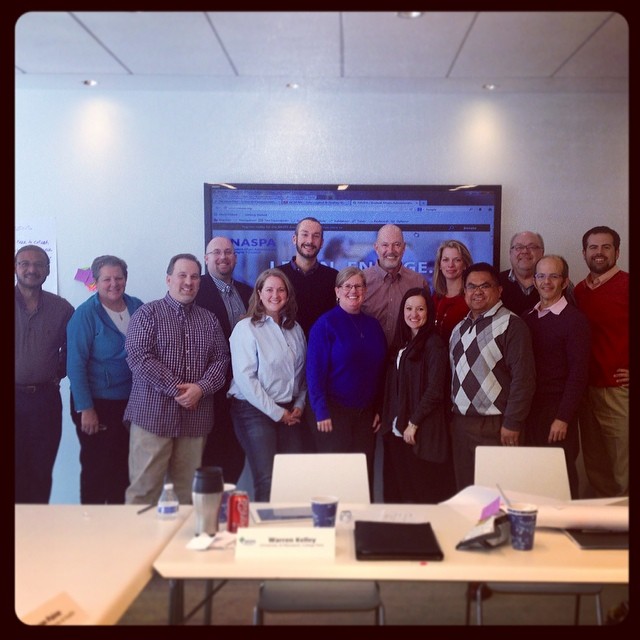
naspa_tech_summitnaspa_tech_summit_group

NASPA National Conference (March 14th – 19th)

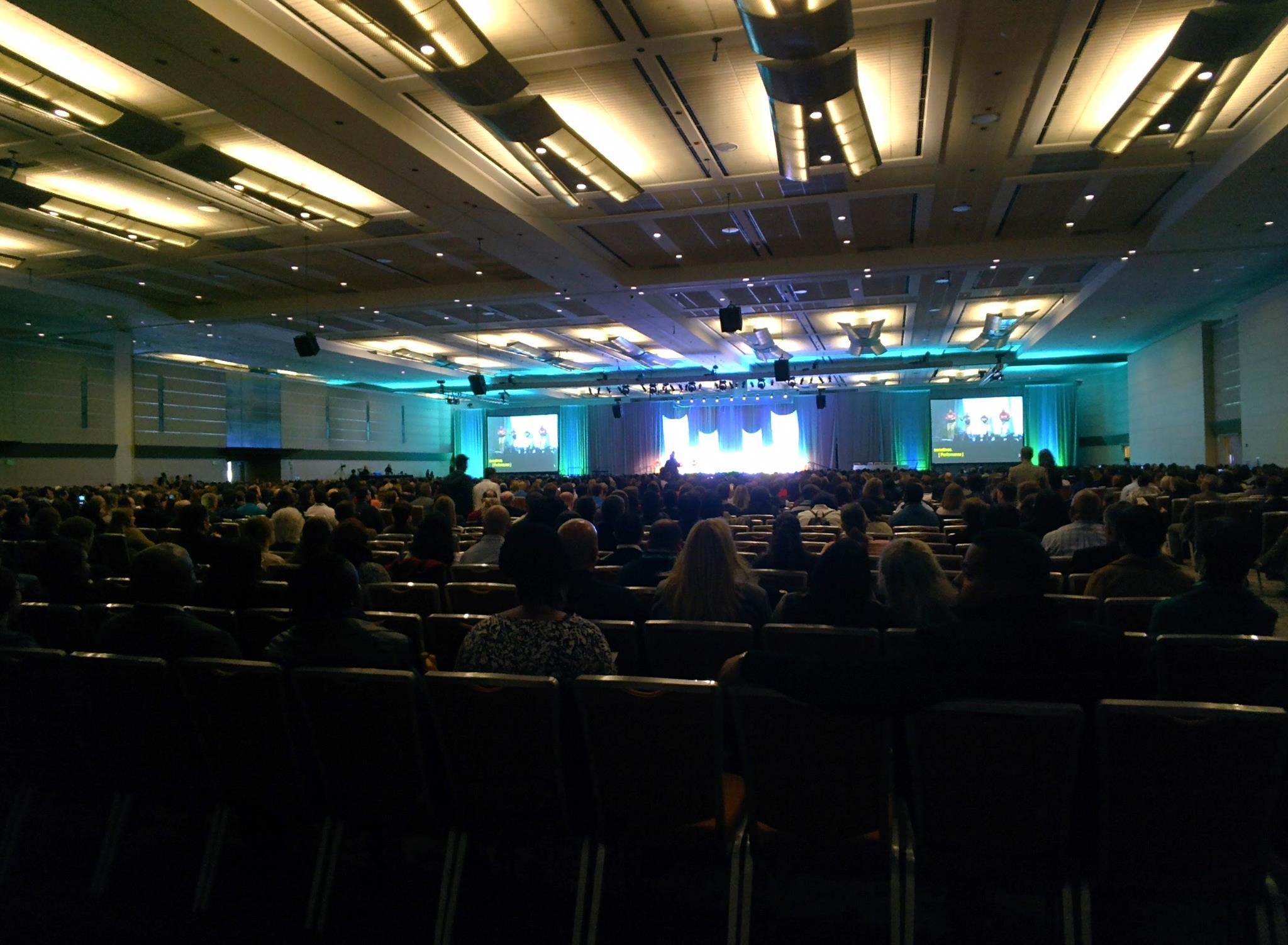
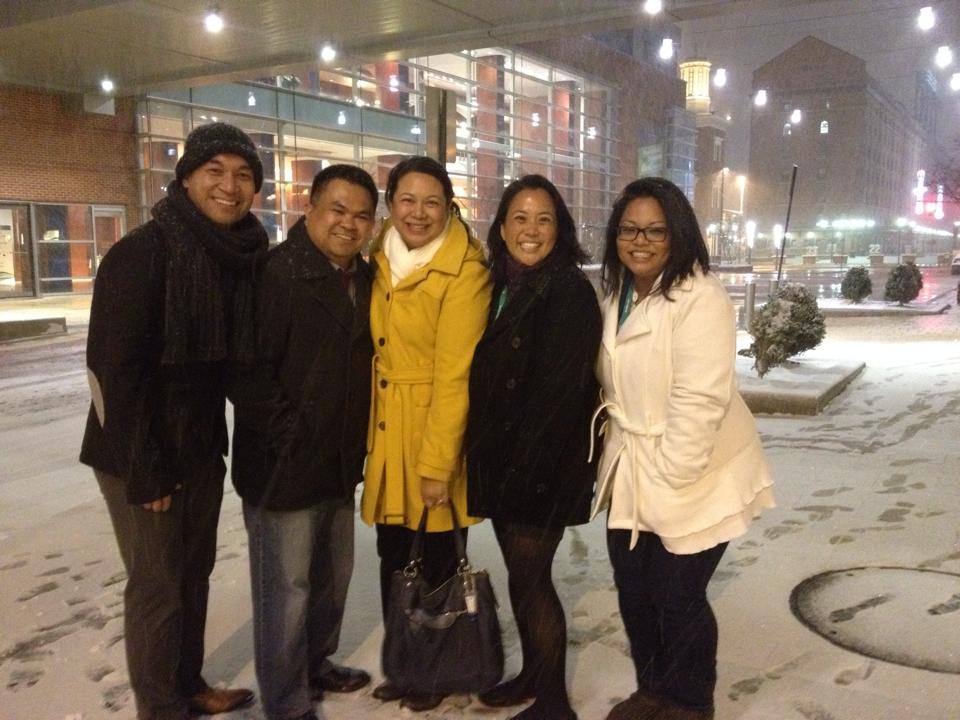
The trip to the national conference in Baltimore was a very memorable experience. Spending time with our NUFP team, meeting and spending time with someone from Scotland, learning about student affairs issues/trends all contributed to a week I will never forget. In addition, I also had the opportunity to meet other Asian-Americans and Filipino-American colleagues. We also had a #sachat meetup. This is a get together of folks who are part of the #sachat twitter community.
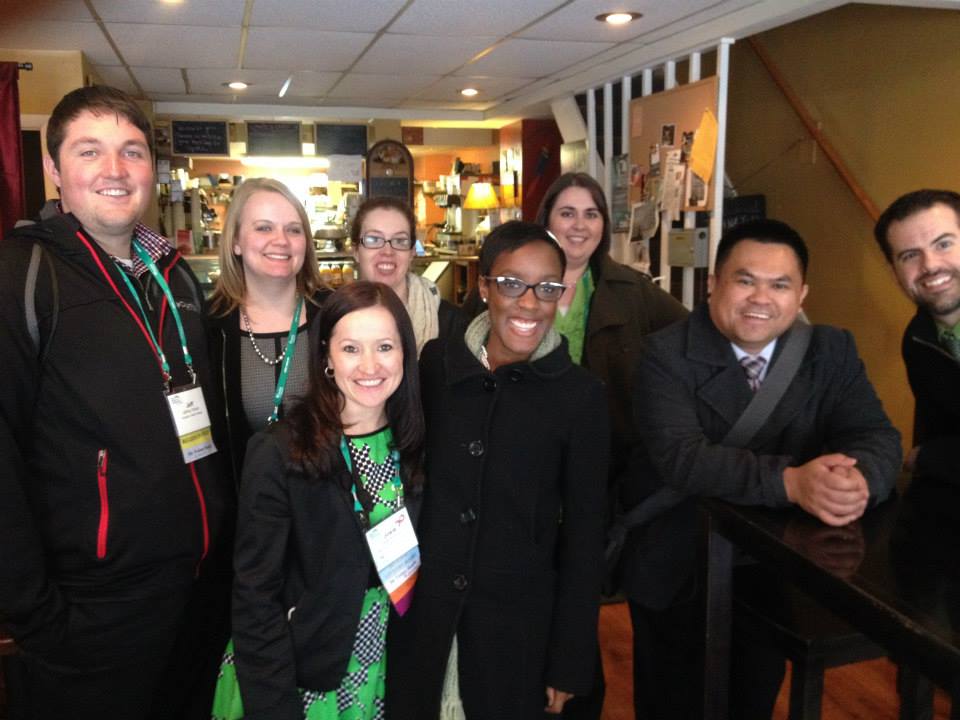
naspa_national naspa_national_lisa naspa_national_miles_danielle naspa_national_opening naspa_national_pinoys

Kapatirang Pilipino (KP) – (Spring 2014)

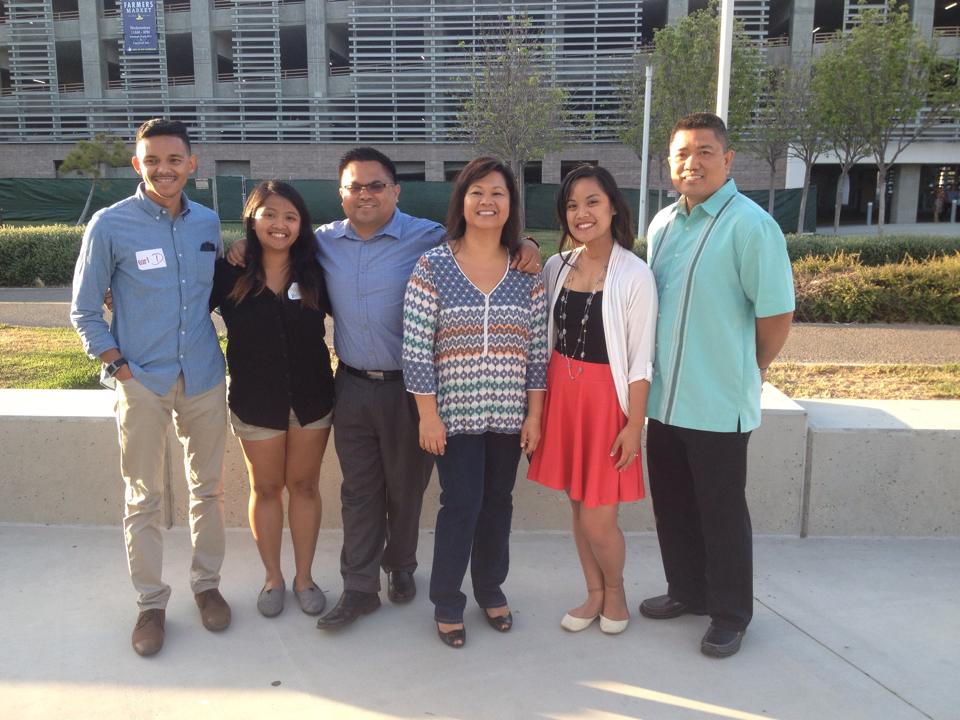
KP is the Filipin@-American student organization at UCSB. As an undergraduate student, I was very involved as a member and a leader. I was also KP’s staff advisor for years. A few years ago, KP leaders decided to go with a new staff advisor, and so I gradually became less-involved with the organization to a point where I did not know many Filipin@-American students. I was invited to attend an event during Spring quarter this year and I was more than glad to attend. What a wonderful feeling it was to be able to meet the students, including a group of them, who are part of my “KP family” lineage. One of KP’s long running tradition/program is the Kuya/Ate (big brother/sister) program that promotes the idea of mentoring by more experienced members to new members. As years had gone by, these “family lines” continued.
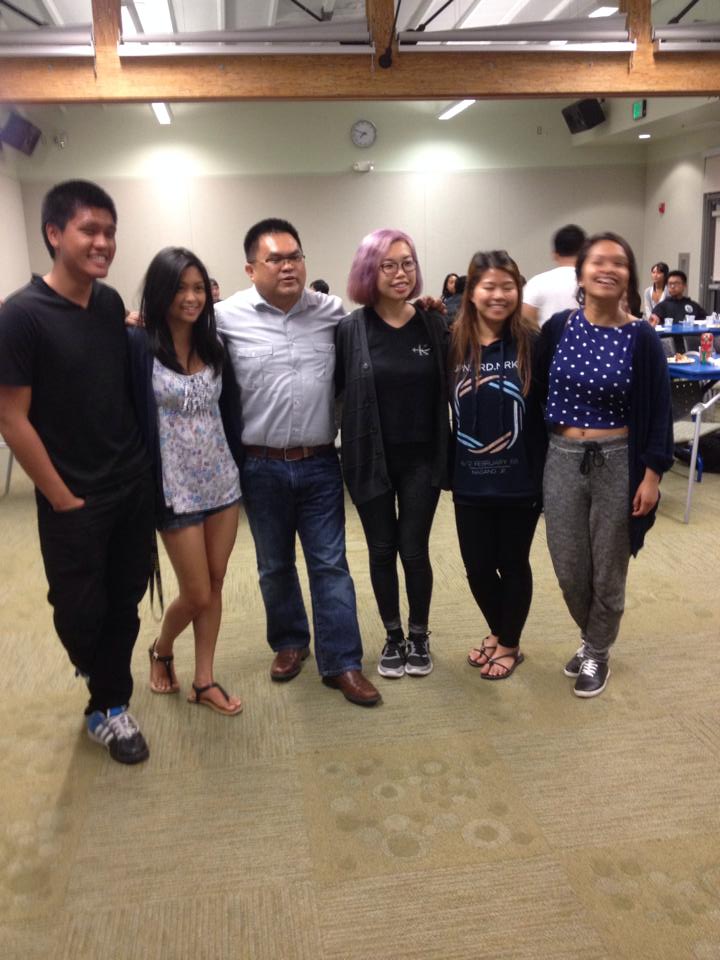
kp_family

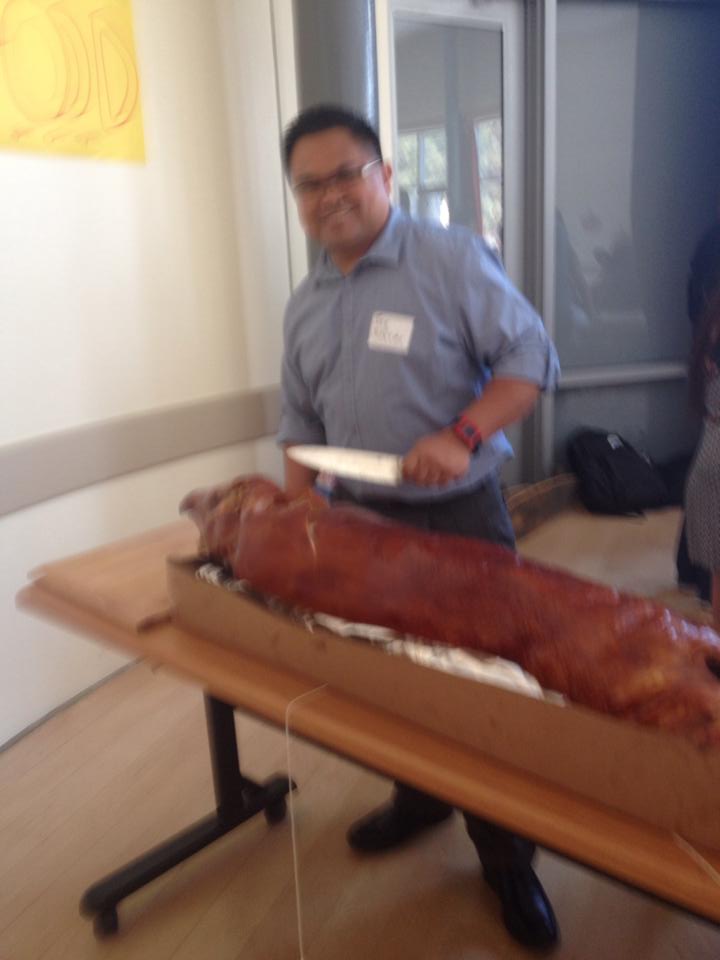
I also attended KP’s 35th anniversary celebration. I met additional students and reunited with some alums. One highlight of this celebration was getting to serve a lechon – a whole roasted pig.
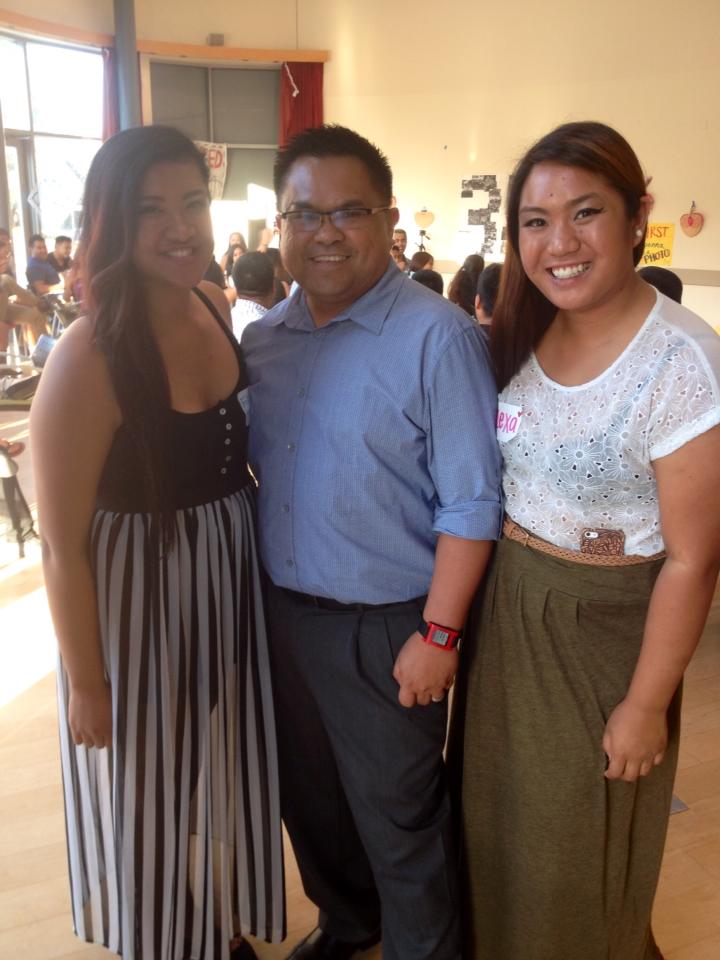
kp_35th kp_35th_reunion_30thlechon

Isla Vista Shooting Tragedy (May 23rd)

The tragedy that happened in Isla Vista on May 23rd when we lost some of our students really impacted me personally. UCSB/Isla Vista is a community I’ve been a part of since 1991 when I entered UCSB as a freshman. While I didn’t know the students we lost, I felt angry, lost, and confused. At the same time, in the midst of this horrible tragedy was a display of community I have never seen before. From my colleagues volunteering their time to counsel and provide any needed services, moments after the shooting, to the candlelight vigil attended by 5,000 students and community members, to the 22,000+ who attended the memorial at our stadium, these actions/events really confirmed why I love my job and while I’m still at UCSB.
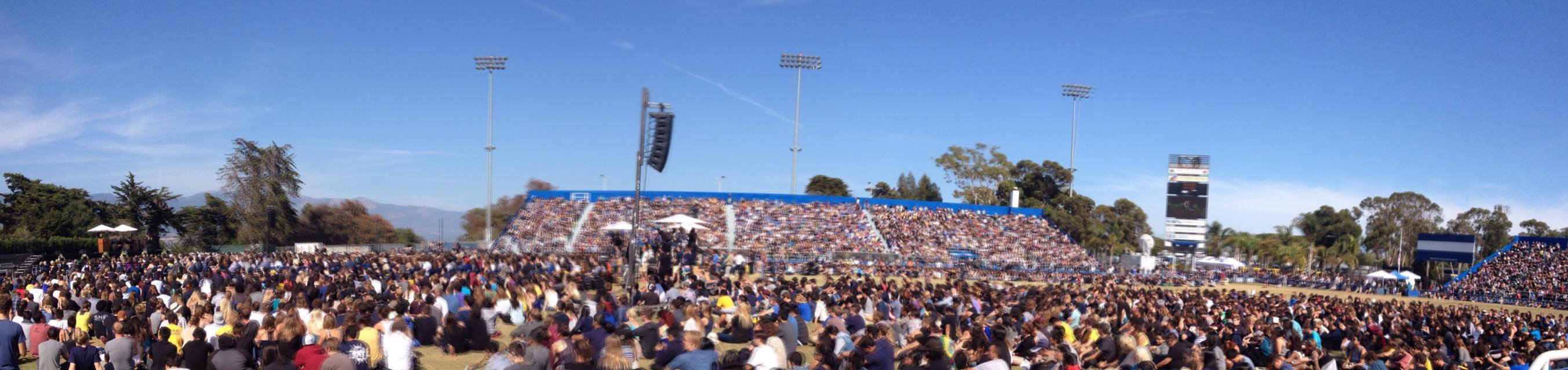
memorial

Commencement Ceremonies (June 12, 2014)

I volunteered to be part of the commencement ceremonies for the first time this year and what a fun experience that was. Helping students inside our gym as they line up and watching them find their friends so they can march together was a really satisfying moment for me. I also got to work with my wife, who helped coordinate the College of Engineering and Sciences Commencement Ceremony.
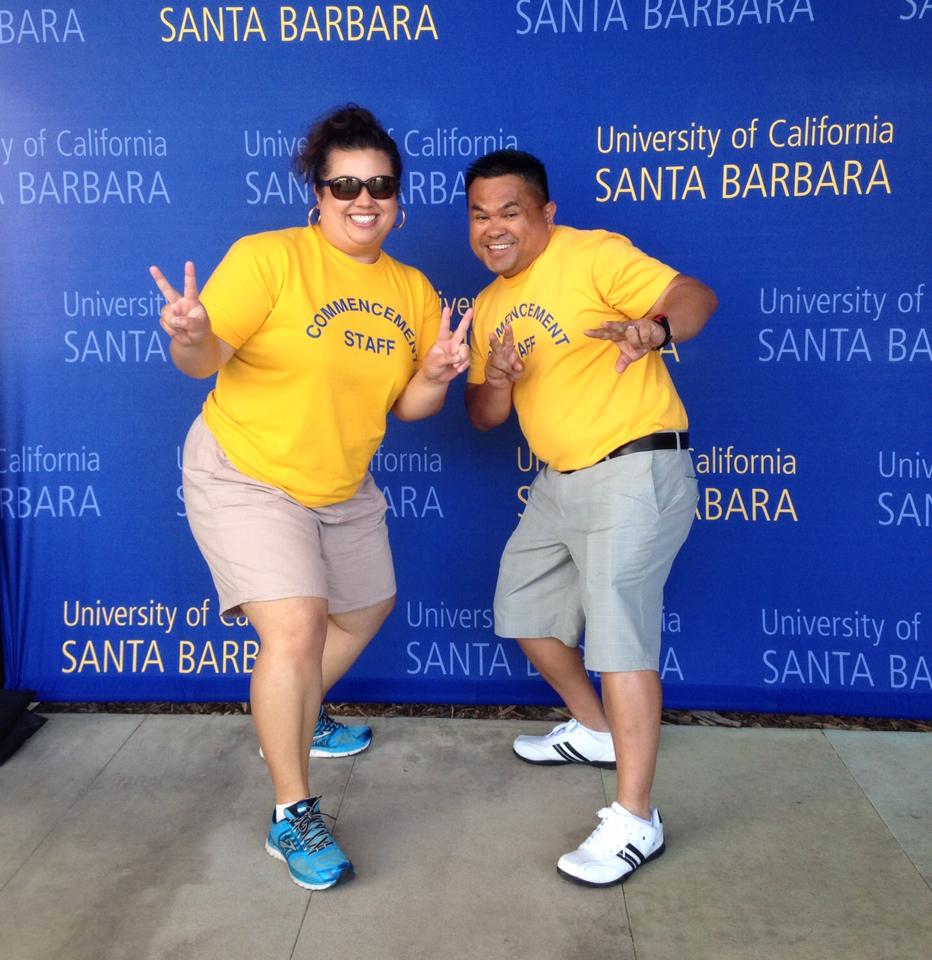
commencement_volunteer

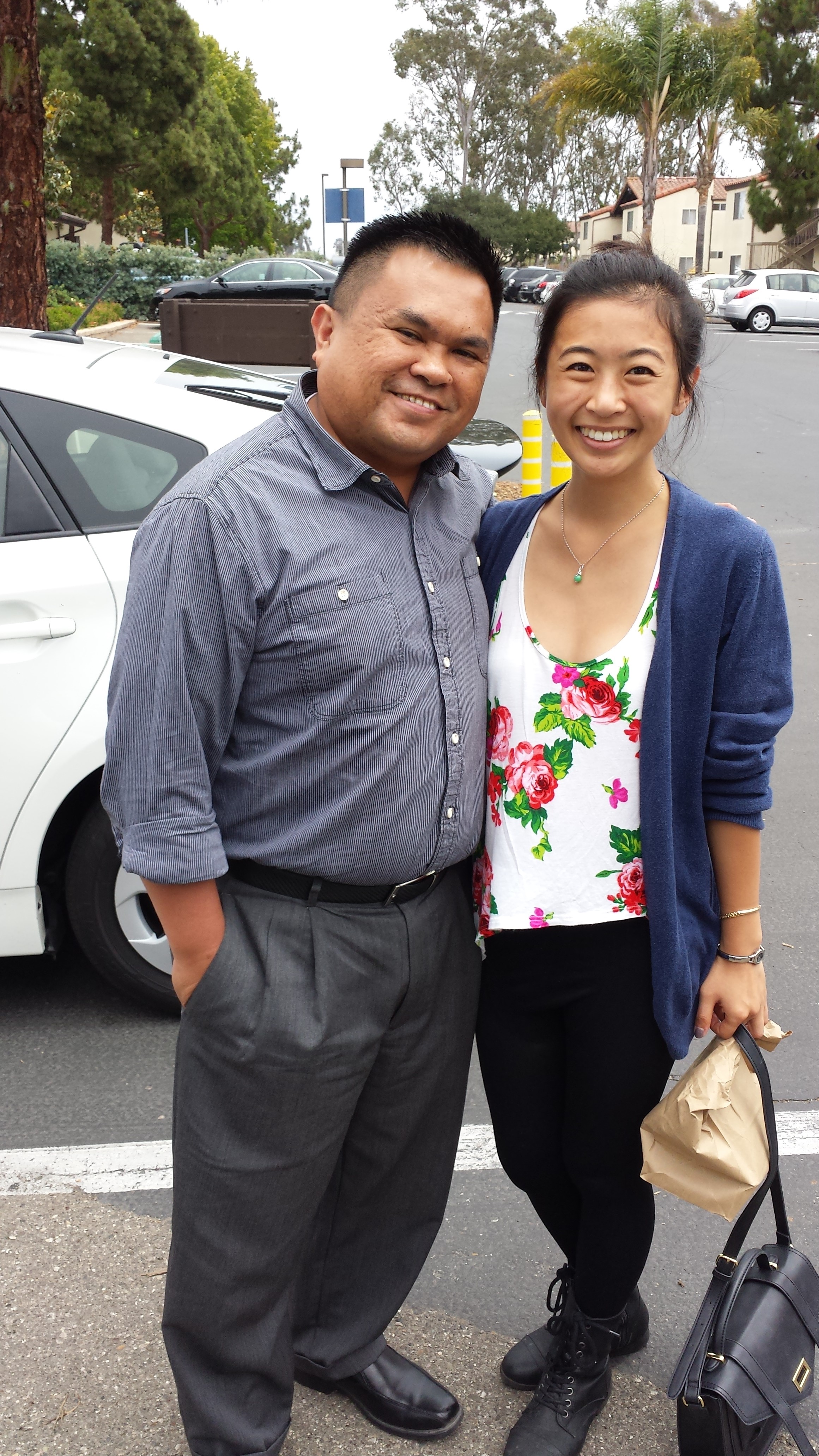
STEP Program in August started the year for me and I ended this year by saying goodbye to one of the students, Ange, I met three years ago via this program. I am very honored for her to consider me as a mentor. Ange will be spending the next three years in China pursuing her Masters Degree.
angie

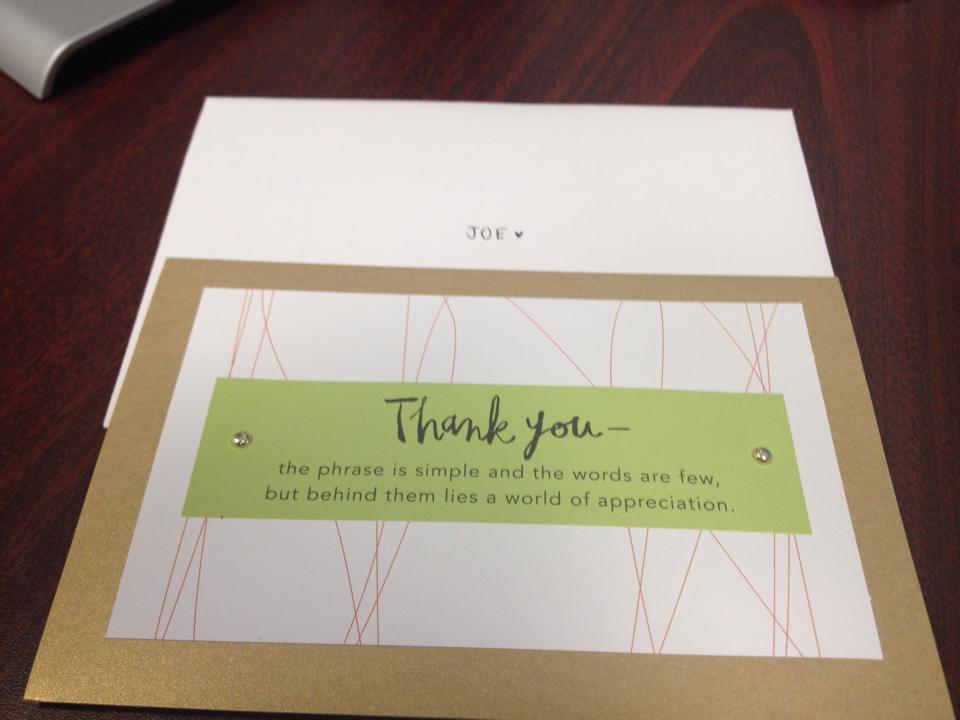
I also received a very nice “thank you note” from a student I just recently met through KP. The note was particularly significant to me because it showed that as a student affairs professional, I can be a difference in students lives the first days they arrive on campus, like at STEP Program, or during their last months here at UCSB.
thank_you

I’m excited and the same time anxious to what the next academic year brings. There are significant changes in our division with the retirement of our senior leadership and the change in leadership will provide opportunities and challenges.

1 Comment more...

Why I Love My Job In Student Affairs at UCSB

For all the challenges I face in my job from time to time, I can’t see myself working for any other place outside UCSB student affairs at this point in my career. It’s been more than a week since the Isla Vista tragedy and within that time, I’ve seen so many remarkable acts, events, selfless dedication by my colleagues and students that remind me of how remarkable UCSB community really is. I was further reminded of how blessed I am to be working in student affairs at UCSB during our divisional meeting when our Vice Chancellor Michael Young recounted all the amazing campus-wide collaboration in response to the tragedy. As he said “people just showed up and did what needed to be done.” He also acknowledged the leadership of the key individuals who were on the front line, moments after the incident.

It is during this time of the year, when I feel mixed emotions. I’m both happy to see the successes of our students and at the same time, I can’t help but feel sad that I will no longer seeing them, some of them of which I’ve seen grow since the first days of their classes at UCSB and whom I’ve developed mentor relationships with. I feel honored when students asks me to go to lunch and take the time out of their busy schedules preparing for finals and graduation to chat before they leave. I feel honored when a couple of graduating seniors I just met a month ago wanted to have lunch with me.

I have a great job and I’m very proud to say that. At the end of the day, in spite of the challenges of the job, what an honor it is to be able to serve the students and to be able to play a part in their lives. As VC Michael Young said this morning, “It’s often the personal connections that matter in the lives of our students.” I think he captured the essence of why I love my job. Through technologies, I help serve the UCSB community so students may successfully navigate the university and prepare them for their careers and develop as human beings. However, it is through the personal connections I’ve made with the few students that really makes me realize how blessed I am to be in a position wherein I can make a difference in their lives.


Technologies, Assessment, and the Future of Student Affairs

Technology is already a significant component in all facets of student affairs. As Kevin Guidry shares in this blog post about student affairs technology competency, technology has played a role in student affairs for several decades.  The new types of technologies and how quickly they evolve will pose challenges and opportunities. This blog post includes what I see as changes in the landscape of consumer technologies and how campus information system providers will need to change their approach to designing applications for devices and how end-users may interact with systems in ways they don’t do today. It will also talk about assessment, the limitations of current systems towards a complete analysis and evaluation of data from different sources, and how to potentially overcome these constraints.

The future of student affairs will include consumer technologies including mobile, data, sensors, social media, cloud, wearable computing, and location-based systems. This possibility is by no means a stretch if one is to consider what already exists outside the world of academia and follow consumer technology trends. I’ve written a few blog posts about possible future scenarios for student affairs using the technologies I mentioned above. This blog post also talks about how I think wearable computing, specifically Google Glass, can be used in student affairs. The use of consumer technologies can no longer be ignored by IT and other campus service providers. For one, privacy, policy, and ethical considerations must be addressed as data freely from one device to another enabled by cloud services (Dropbox, Google Drive, etc.) and increasing availability of internet connectivity. In addition, the design and development of campus systems must consider how consumers of these systems expect them to work. As it is, legacy systems designed before the wide use of mobile are not mobile-friendly, and campus IT and vendors are still spending their time retrofitting these systems to provide mobile interfaces.

As the development of enterprise campus systems like learning management systems, residential management systems, student information systems, and other administrative systems take years to complete, it’s probably wise to think ahead of what consumer technologies may be available two or three years from now and design for them. I believe one of the major considerations when designing these systems is how users interface with the systems. Most systems are now through a graphical user interface (GUI) like websites. However, developers must also consider presenting systems through Conversation User Interface (CUI), which provides user interaction through voice. Apple’s Siri, Google Now, and Microsoft’s Cortana are three technologies available via CUI. In addition to GUI and CUI, developers must also provide users the ability to interface with systems using gestures, which I consider part of the Natural User Interface (NUI) approach. Consider that a user can now wink when using Google Glass to take pictures or that a user can use Leap Motion or Kinect to control objects on a screen.

Another consideration is how data that may have been designed for a specific use today may be used differently in the future. For this reason, it’s wise to design applications to provide these data through services that can be consumed separately and in ways that may not have been considered before. For example, one data set commonly used across student systems is student demographic data. While in the past, this set of information may have only existed on the campus student information system (admissions, registrar, financial aid), increasingly, functional systems (judicial affairs, housing, etc.) often provided by vendors are now using this information for operational use as well as for assessment/reporting purposes. The older (and most likely used today) is to provide extracts of this data set and send it to departments responsible for managing these systems via text files, which they then import. A more effective way would be to expose these data through API (application programming interface), including web service, which can be used by these other systems without manual actions, given proper permissions.

One topic that has gotten more attention in student affairs and involves enterprise systems that cross-campus units are assessment. The need for assessment is because of the seemingly greater need for accountability by the government in light of questions surrounding the purpose/effectiveness of higher education and to show the value of the work student affairs do. This is in addition to efforts by departments to improve how they conduct their business (operational) and how effective they are towards meeting student learning outcomes. A major obstacle to a complete campus assessment, or just within student affairs, is the fact that so many of the systems, including student health, counseling, judicial affairs, disabled student programs, and other student service systems, are not designed to be able to seamlessly communicate and exchange data with each other. This is one of the challenges I discussed in this blog post about Higher Education and Data Liquidity. Moving forward, there must be a way for these separate systems to communicate and exchange data. At the least, there has to be a way to combine these data into a central database for analysis. One approach to solve this issue would be to have a common data format that these systems can use, similar to a common transcript system by Parchment, which enables high schools and colleges to exchange transcripts electronically. Additionally, a proposal I had recommended is to create a common markup language that can be used across all types of learning institutions. This learner-centered approach accounts for the fact that students are no longer receiving or completing their education from a single place, also called the student swirl.

It would also be wise for student affairs practitioners and IT departments providing support to student affairs units to lead the discussion on how vendors should design their systems to overcome the constraints above. As it is, there are not too many vendors focusing on student services who are developing systems that can accommodate the needs of student affairs as a whole. A company that can do this would need domain expertise in areas within student affairs that are so distinct (student health vs. residential life) from each other to develop systems beyond just a department or two. I think NASPA and ACPA, the two national student affairs organizations, should lead this charge as they should better understand the general needs across institutions. In leading this charge, they need to work with other organizations representing specific functions within student affairs to understand the specific needs within these areas. These organizations include but are not limited to  AACRAO, ACUI, ACUHO-I, and NACE, to name a few.

There are many more topics and questions to discuss regarding the use of technology in student affairs. This post is just a small piece of that discussion, though I hope it provided readers like you with some ideas and questions to think about when it comes to the future of student affairs.


Resistance to Social Media Amongst Student Affairs Professionals

I worry when I hear other student affairs colleagues I come across online and face-to-face say they don’t believe in social media because they’re a fad and/or they don’t see the value in these tools. I worry when I hear comments like “I don’t use Facebook, I don’t see why others are using it” or “I don’t see the value of social media in how we do business in student affairs. They don’t provide any additional value.” My concern is that some of the resistance to social media seems to come from the perspective of “what’s in it for me” instead of considering these tools from student perspectives. This is the type of selfish perspective that worries me. I consider this selfish because folks who think this way think of their needs and place their value systems first instead of those they serve. There are those whose minds cannot be changed regardless of countless pieces of evidence about the impact and use of social media amongst the student population. Social media are more than about technology. To appreciate social media, one must consider how these tools impact communication, relationships, community building, engagement, learning, identity, and personal/career development. As student affairs professionals and educators, aren’t these the same issues, we must consider when serving the needs/wants of our students?

Before I continue, some of those reading this will argue that not every student uses social media and not every student uses mobile devices. That is true; just walk around campuses, and you’ll observe many students using these technologies. Pew Research and ECAR Study of Undergraduate Students and Information Technology, 2013 also confirm our students’ high use of social media, mobile, and other technologies.

I hear this type of thinking too many times, what I call “legacy thinking,” wherein folks reminisce and try to impose/apply them today. This is not only limited to how they approach social media but to other technologies and how students live their lives today. But at some point, we must adopt the attitude of “it’s not about me; it’s about the students.” Do I expect everyone to become experts and accept every technology blindly? Of course not. I personally examine technology with cautious optimism. But, if we are not open to examining the potential benefits and pitfalls of social media, how can we educate and model to our students how to take advantage and conduct themselves appropriately using these tools? As student affairs professionals, regardless of our personal beliefs and biases against social media, we should probably try to understand what social media means in terms of our professional responsibilities and consider them from students’ perspectives.

If there’s a message I would like to tell these folks, it would be to learn a little bit about social media, if not for themselves, but for the sake of the students they serve.


Self-Reliance and Career Development

I have had several mentors and sponsors who have guided and advocated for me throughout my career. For this, I am very grateful. There is no way I would have advanced in my career without the help of many.   However, at times, I also fell into the trap of relying on others for my career advancement and lost a sense of self-accountability in terms of proactively planning for my future, learning new skills, and promoting myself along the way. Somehow, because I had gotten help from my mentors/sponsors, I took for granted that they may not always be able to help me all the time. In some cases, I assumed they knew the direction and opportunities I wanted but as I later found out, they had no clue.  I came to realize even when they did want to provide opportunities for me within the organization, there are other factors in play that prevented them from doing so. Organizational politics, personalities, and my career interests not aligning with organizational priorities are just some factors that prevented me from moving on to areas I wanted to progress into. I can recall key moments in my career when I was disappointed when opportunities came and passed me by and I unfairly expected others to come and advocate for me. I fell into the victim mentality, blaming others for my missed opportunities. Gradually, I came to the realization that I may just be relying on others too much, failing to take ownership of my career development. This shift in attitude, taking personal accountability, has become more empowering and has provided me with a sense of control when it comes to my career.

One constant message I share with others with regards to career development is that they have to “own their career”. One should not have to wait for others to learn new skills and knowledge. I firmly believe professional development is a personal choice and a commitment. One should create professional networks and develop relationships before they are needed.

It is conference season in student affairs and one of the topics discussed during this time is how to network online and at the conferences. I personally make the effort to provide opportunities for others to connect via introductions and I also take it upon myself to make the first step. I tweeted this a few days ago as part of a conversation about this topic:

My point about the tweet above is that, if we rely on others to help us out, that help may never come. We must take it upon ourselves to make the first move or we end up watching others while we sit on the sideline. Do you want that opportunity? Prepare yourself then take steps for your interests, skills, and accomplishments to be known. I grew up in a household and a culture that discourage talking about ourselves and our accomplishments. But, I realized at some point in my career, this was not always helpful. There’s a fine line between self-promotion for the sake of ego and advocating for ourselves because we need to. But, there are times when we do have to talk about ourselves or no one else will. Others will interpret this several ways based on their perspectives of us, some positive and some negative, even with our best intention.

I sometimes hear others complain about their jobs feeling as if they have no their choices but to stay where they are. Frankly, I think there are always choices, some choices harder than other. Does it take time and effort to make a change? Absolutely! I do believe life is too short to be in a job without joy and satisfaction. When one’s not happy at work, it does impact our personal lives and the folks we care about.

Ultimately, we have to be accountable for our own career development and be our biggest cheerleader.


  • Archives

  • Copyright © 1996-2010 Joe Sabado - Higher Education & Technology Leadership. All rights reserved.
    iDream theme by Templates Next | Powered by WordPress